I was standing on the west side of TomKat Ranch in Pescadero, California, looking out toward the Pacific when something clicked for me. The air coming off the ocean was cool and salty, there was fog hanging in the distance, cattle moving across this extraordinary 1,800-acre property behind us. TomKat calls itself a living laboratory, and that’s exactly what it feels like. Farmers, scientists, students, legislators and food-system advocates come there to learn, experiment and see what happens when you begin working with natural systems instead of constantly trying to overpower them.
We had been talking about what visitors take home after seeing all of this when I asked a question that has stayed with me: What are you actually going to do with what you’ve learned?
That question has become much bigger than TomKat Ranch for me. In many ways, it has become the question behind Farm Hero.
I’m the host and executive producer of Farm Hero, but I have never thought of it as simply a television show. The show is important because storytelling lets people see things they might never otherwise encounter. I can stand next to Ray Archuleta while he puts soil into a rain simulator and suddenly something complicated becomes obvious. I can walk White Oak Pastures with Will Harris and see what a functioning food system looks like. I can go to Zimbabwe and watch what happens when agriculture is treated as part of a larger social and economic ecosystem.
But eventually you have to ask what happens after someone watches.
I knew storytelling mattered, what I hadn’t fully understood at first was that awareness by itself doesn’t change a food system.
Farm Hero developed in a very unusual way. We basically started at the top. Before we had a huge audience, we had relationships with some of the most respected people in regenerative agriculture: Will Harris, Ray Archuleta, Joel Salatin, Alan Savory and others. We spent two weeks in Zimbabwe. We found ourselves in conversations with doctors, agricultural leaders, philanthropists and people connected to policy.
Someone once told me we had done it backwards. We should have started on college campuses, built hundreds of thousands of followers and created demand from the bottom up before working our way toward the recognized leaders.
Maybe. But now I think our job is to connect the two.
The reason regenerative agriculture has fascinated me from the beginning is because you cannot isolate one part of it. Soil affects plants. Plants affect animals. Food affects human health. Farming affects water, wildlife and local economies. Then purchasing decisions determine what farmers can afford to grow, while distribution determines whether anybody can actually buy it.
Once you see that, telling one group to fix agriculture starts to seem almost absurd.
I own a catering company. We purchase millions of dollars of food, so I know the consumer side and the institutional side of this firsthand. If I decided tomorrow that everything we purchased had to be regeneratively produced, I couldn’t do it. The supply isn’t there. At the same time, asking a farmer to make an expensive transition without being able to tell them who will buy the product isn’t much of a solution either.
This is where I think the regenerative movement has to become more organiazed.
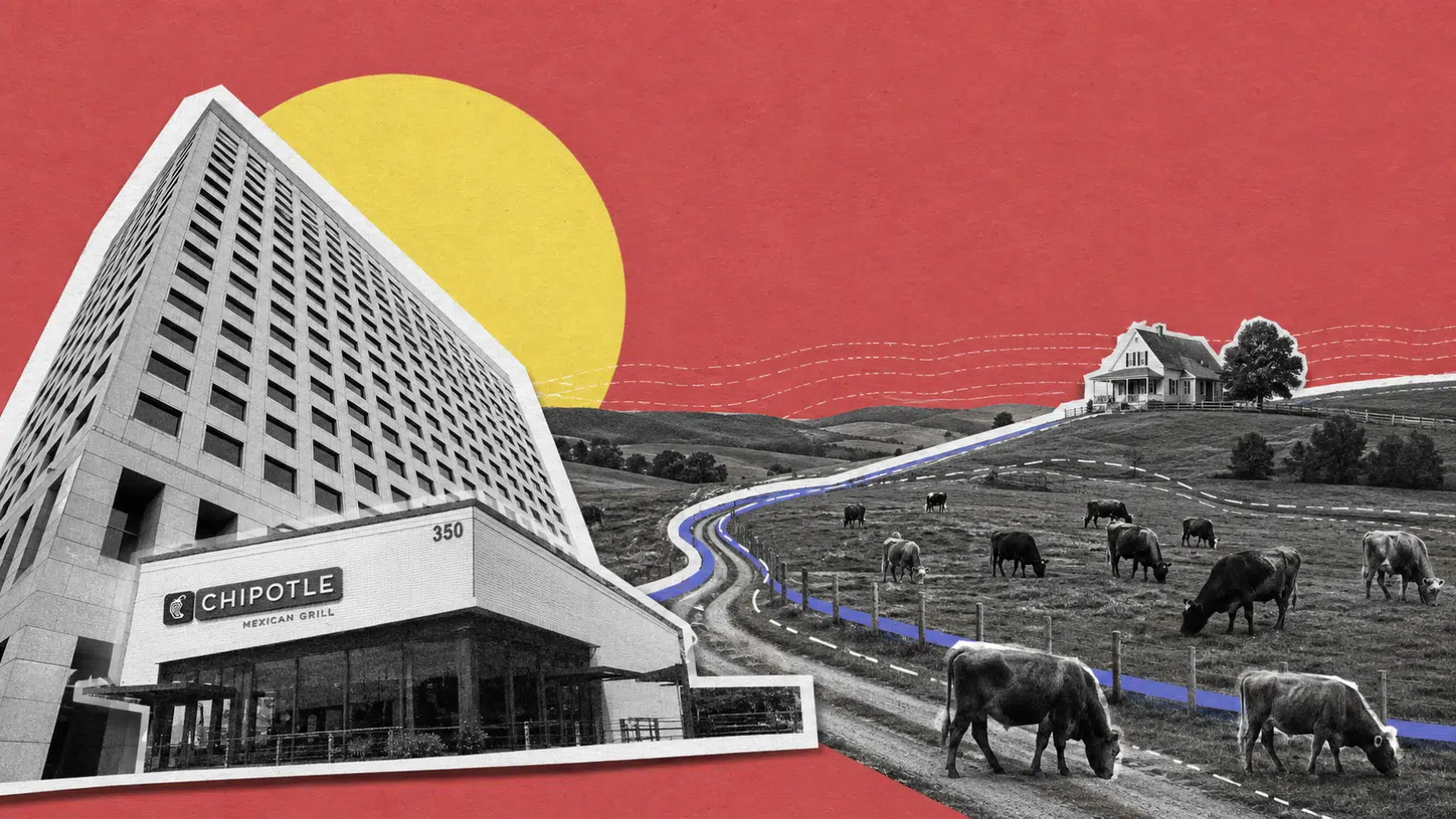
Imagine a company like Chipotle making a significant commitment to regeneratively grown rice. Now imagine there isn’t enough rice available to meet that commitment. That sounds like a problem, but it is also a market signal. A farmer can look at that demand and say, maybe I can transition acreage because someone actually wants what I am going to grow. Then the farmer needs mentors, financing, technical knowledge, processing and distribution. The buyer needs dependable supply. Consumers need to understand why any of this matters.
Connect those pieces correctly, suddenly we are not asking somebody to take a heroic leap of faith. We are building an ecosystem around the decision.
Zimbabwe changed the way I thought about this. I saw systems where small producers could participate because they did not have to independently recreate every piece of infrastructure themselves. Transportation, processing, knowledge and access to markets could sit around the farmer. The lesson stayed with me:* independence does not have to mean isolation.
I think America needs more of that thinking.
Different people are going to enter regenerative agriculture through completely different doors. A mother might care because she wants healthier food for her children. A college student might care about climate, entrepreneurship or the future of rural communities. A functional medicine doctor may start with the relationship between food and human health. A chef may begin with flavor. A corporation might begin with procurement. A farmer may simply be looking for a better way to make the land and the business work.
None of those people need to be convinced to care about exactly the same thing. They need a place where their interests connect.
That is the larger opportunity I see for Farm Hero. We can become the platform sitting between those groups, translating what each needs from the others and helping turn interest into action. Media is the entry point, but the real value is the ecosystem around it.
This is also why I don’t think the movement succeeds by treating big companies as automatic enemies. If a large food company sincerely wants to transition millions of pounds of ingredients toward regenerative production, I want to help them acheive that. Their purchasing power can move acres. The same is true of hospitals, universities, restaurants and school systems. We need those institutions involved because ultimately agriculture is a business, and farmers need strong markets.
The farmer cannot make this transition alone, the consumer can’t either. Neither can the doctor, the chef, the brand or the policymaker. Each has leverage somewhere else in the system.
My long-term hope is that ten years from now we don’t even need to talk so much about “regenerative agriculture.” It simply becomes agriculture. Young people see farming and food as exciting industries to enter. Farmers are financially thriving. Healthy soil becomes common sense. Companies understand where their ingredients come from, and consumers understand that buying food is one of the most direct ways they participate in agriculture.
That requires education, but it also requires infrastructure, markets and relationships. Most importantly it requires people who are willing to stop thinking about every constituency seperately.
When I think about leadership now, I think much less about being the person with the answer and much more about being the person who can see the whole board. Who needs to know whom? Where is demand getting stuck? Which farmer needs a buyer? Which buyer needs supply? Which doctor can explain the health connection? Which student could become the next farmer, scientist or entrepreneur? What does the public still not understand?
That’s where I believe Farm Hero belongs- At the intersection of those questions.
The soil may be where the story starts, but the system is how we take it to scale.
Three Takeaways
- Awareness needs somewhere to go. Education changes behavior when people are given a practical way to act on what they have learned.
- You cannot transform one piece of a connected system in isolation. Farmers, consumers, brands, institutions, medicine and policy have to reinforce one another.
- Leadership is often about connection. The person who can see where different interests overlap may have more power to create change than the person trying to solve every problem alone.